Saturday, February 13, 2016

Top 4 Mistakes Most People Commit In Basement Remodeling

Image source: Media.hgtv.ca

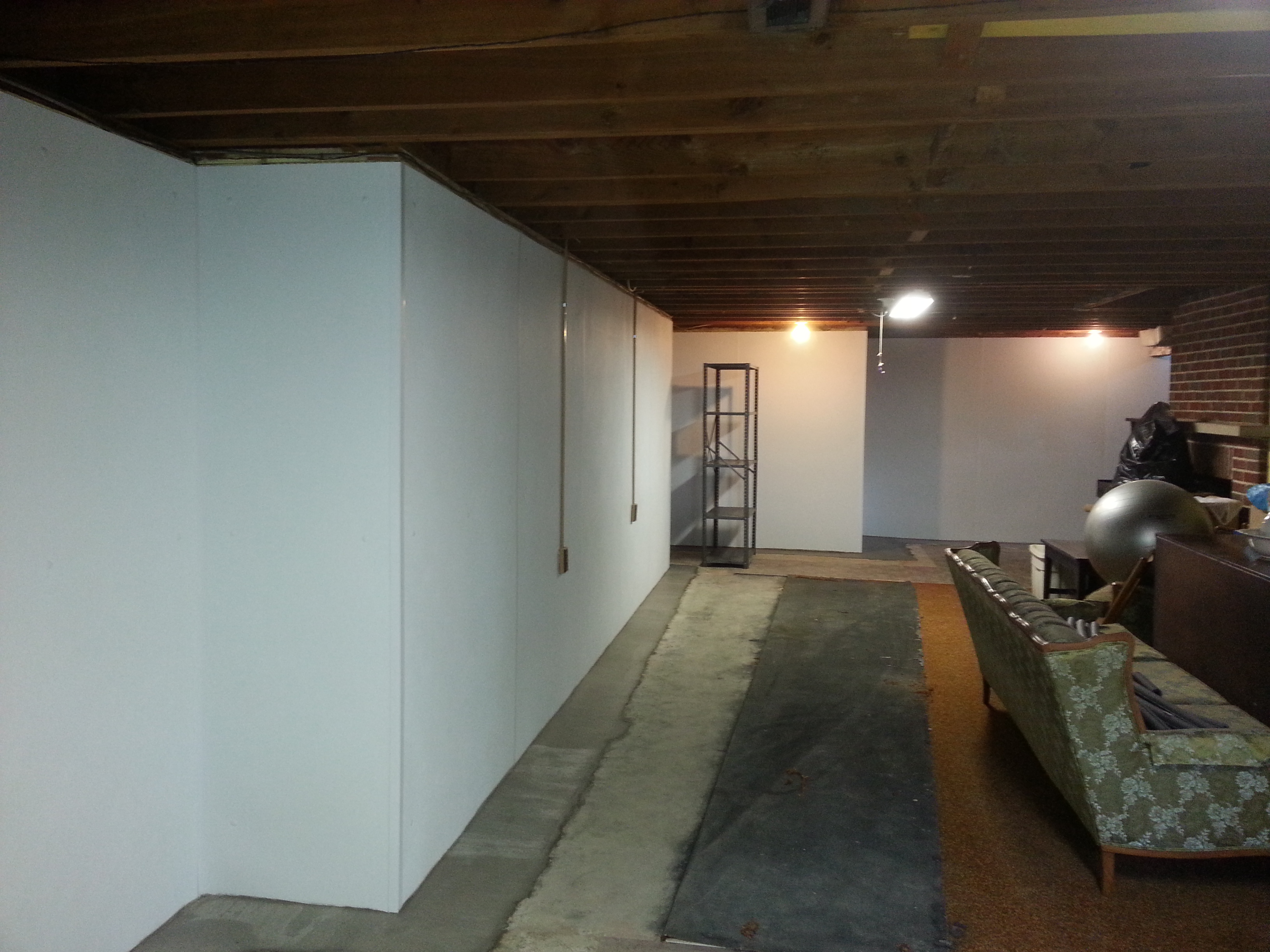
Who would not want his unfinished basement to be completed? Everyone does and it is normal to dream of finishing it. Besides, how can you sleep well when you have a basement that needs attention? After all, a basement is already an equivalent to a whole floor's worth of storage which can be turned into a room for the family.

Here, are the 4 famous mistakes that many homeowners commit when trying basement remodeling for their unfinished basement.

1. Trying to finish a flood prone basement


Image source: Expert-furniture.com

Naturally, basements are prone to moisture and even floods because of the way they are designed.

To put it bluntly, it is a box of porous concrete intended to be underneath wet ground. So, it gets saturated with water. As a result, there happens hydro-static pressure pushing against the walls. But, this does not mean that you carelessly put it in a flood prone area. This is because, eventually, water will make its way to your basement through cracks or leaks which will get deposited between walls and floors. When they are left for a long period of time, water can damage the basement. Even plumbing leaks and water heating breakage may also damage your basement then flood the surrounding. More importantly, if you do not have a proper pump system or dehumidification, your basement gets more damage.

2. Utilizing wood studs or fiberglass insulation


Image source: Danielskitchenbath.com

Although these materials work well in rooms above ground, they are not good for your basement. In fact, they can spell disaster. These materials tend to absorb moisture and given that basements are humid in nature. Such materials are composed of organic compounds like paper and wood. For fiberglass, it has urea based adhesive that keeps the batch intact to each other.

And, when organic materials are exposed to moisture, they develop a good condition for mold development. Additionally, fiberglass tend to lose its R-value when it gets wet or moisturized and drywall, when in contact with water, tends to decompose then spreads out toxic fumes. In short, basement walls should not involve any organic materials. It should be completed with 100% waterproof materials which will withstand flood and water accident.

3. Not using vapor barriers properly


Image source: Kelelep.link

Most contractors would tell you that you can use whatever kind of finish you desire when attaching poly sheets on the floor or over the walls. They say that vapor barrier will help protect your materials. But, there are those who even have the worse suggestion: put the vapor barrier over the fiberglass and studs then quickly attach the drywall. But, this is not what the US Department of Energy's Building America Best Practices say. According to them, moisture should be allowed to evaporate 'till dried up to the interior. Vapor barriers do not allow moisture to evaporate instead; they trap the moisture between the barrier and concrete then condensate. In this condition, mold grows and develops.

4. Absence of backup sump pump


Image source: Wonderhowto.com

According to recent studies, millions of dollars and resources are shelled out on basement restoration, replacement and cleanup due to leaks, cracks and other sorts of damages. Moreover, expenses are not covered by home insurance. Even special flood insurance got limited coverage when coming to terms with basements. So, it always pays to have a backup sump pump even if you already have one. Make sure that you have an extra which is battery operated so your basement is not at risk with flood and water damage.

Sunday, January 24, 2016

Basement Waterproofing The Easiest Way Possible

When talking about basement maintenance, homeowners get different opinions and suggestions which make it more confusing as whether or not, go for immediate repairs. Although basement waterproofing may not be a prerequisite, it is beneficial to homeowners. Such strategy helps you get rid of costly basement repairs because possible a lot of basement problems are prevented or even minimized.

See to it that your investment is protected


Image Source: Verdisreviews.com

So whether you plan on living in your home for the rest of your life or putting it on lease, waterproofing the basement helps you a lot in saving your investment. It also helps in protecting the overall value of your property. You can make your basement another space for storage of valuable things if it is well waterproofed. Remember, that even small leakage into your basement would already cause you minimal repair and damage which means, shelling out another bunch of cash so the value does not diminish.

Pay attention to mold


Mold does not form or deposit overnight. It needs gradual source of moisture where temperature can thrive even more. Mold is something you cannot easily remove but, you can get rid of it. Although not all parts of the basement can be protected, for the very least, you can waterproof the greater area and have it mold free. Drips and leaks should be repaired quickly the moment they are discovered so the existence of mildew and mold are significantly eliminated.

This strategy does not only hold the idea of protecting your property but also, protect your family from health risks such as viral and bacterial infections. As a matter of fact, it has been recently found that mold spores do intensify the effects of asthma and they contribute to a lot of respiratory problems. Mold spores also cause topical allergic reactions for some women and children. Now, let us look at some of the famous waterproofing strategies that most homeowners and Basement waterproofing services in Connecticut apply:

1. Interior French drain systems. They have been utilized by many homeowners since 1800s. They are effective in dealing with moisture and drips. Such system, as long as installed properly, will make sure that no water drips or leaks to where it is unwelcome.

2. Taking care of the outside water. This simply means that you set a barrier to ensure that no water can enter into the basement or near it. This may take some time to get completed.

3. Plastic sheets or solid vinyl. They serve as effective and efficient vapor barriers when they are properly applied to foundation walls. They are effective mediums in protecting the living space from moisture.

They are usually installed on both the outer and inner side of walls. However, they are installed before drywall or framing so they stick and become effective. When installation, Basementwaterproofing services in Connecticut can offer great help during and after the process:

Contractors are skilled people. They know how to use polyurethane crack injection to directly stop any leaking and dripping. So dampness in the lower areas are significantly prevented. Such injections work best in foundation and basement walls.

There is also a special type of method that only skilled contractors are able to execute. Such specialized method is mainly applied to prevent water from entering the cracks. So, every waterproofing options and methods are skillfully applied and executed by basement flooding contractors who have studied the technique for months or even years. In short, the professional contractor that you have hired will do the major decision on which method and strategy to use to address your specific basement problems.

But, can you really trust the contractor?


Image source: Waterproofingstar.com

"Damproofing" is just one of the processes that contractors utilize on basement and foundation walls. This involves spraying of tar-like liquid, which is black in color, on the outside. However, damproofing is not at all the best and safest method to use. This strategy may adequately make your basement vulnerable to outside water.

Damproofing may meet the minimum requirements for some building codes but, subtle contractors may apply less of its required quality but, charge expensively. In short, damproofing is not enough. Proper basement waterproofing should be properly observed and executed. A reputable contractor must be able to lock out water and effectively put the right insulation to keep moisture aware from the surface and the living area.

Your basement contractors should know about the basic building code and structural code modifications and its process in Connecticut. Know the structural code in Connecticut and see if the basement contractor you hired is updated on these themselves. The contractor should know how and when to use water drainage system and dehumidifier to both protect the basement from moisture and leaking. He must know when to utilize the right waterproof materials.

When to waterproof?


Most homeowners only care to waterproof their basement following the completion of their home. However, some take a keen consideration in waterproofing the basement on a regular basis regardless, if it would cost them time and resources or not. The best time to waterproof your basement is as soon as the overall renovation or construction of your home is finished. Never wait any longer.

The earlier the better. When you address the issue earlier, you highly prevent water seeping into floors and walls thus; preventing major damages. As a conclusion, it is best to address problems the earliest time possible. In this way, you get to prevent more serious problems from occurring and you get the most out of your investment. Consulting with an expert also plays a major key in keeping your basement safe and free from future major reconstruction. You can go ask an expert by clicking here.

Monday, November 23, 2015

These Basement Waterproofing Tips Will End Your Worries

Image Source: Flickr.com

Every homeowner wants their basement dry and mold-free all year round. Most of the time however, this is easier said than done because there are no quick fix solutions to this problem. You need to get to the root cause of it, and in this case, find out what is causing the moisture. Only then can you decide the best waterproofing technique that can be applied.

It's better if you do your homework first and look around for the best basement waterproofing services in Connecticut or in your local area. Your basement contractors should know about the basic building code and structural code modifications and its process in Connecticut before you proceed with this home improvement project.

A reliable local basement contractor will tell you that every visible crack needs to be patched and thoroughly cured prior to wall application in order to properly seal your basement. If done incorrectly, it will still leak out no matter how much coating was applied. After this you can now proceed with waterproofing your basement.

Exterior Waterproofing

Image Source: Wikimedia.org


Now, if you have a big budget to spare, you might as well go for the best way to waterproofing your basement. This will involve excavating around your house right down to the bottom of your foundation walls. Only when it is complete can waterproof coating be applied. After it has completely dried up, you will now add some drainage panels to the top. This are used in order to provide a path so the water will flow away from your house. It's impossible to do this on a shoestring budget because you will need several thousand dollars and even a basement contractor to make sure it's done right.

Plastic Sheets and Panels


You will use these in relation to the interior drainage systems in your basement. Remember, they do not keep water from seeping through your walls, but they prevent water from destroying your things inside the basement. What happens is when water runs through your walls, it goes down the panels and into the drainage system on your floor. Afterwards the water is pumped out via a sump pump.

Waterproofing Paint

Image Source: Wikipedia.org


This is an acrylic formula that's usually found with your regular paint. You are still going to use a roller, brush or sprayer but you need a thicker application for this. Know that a gallon of this paint can only cover an estimated 75 square feet. This type of paint can be used on painted surfaces and you can paint over it as long as it has already been cured. Approximate curing time is about one week. There are a lot of contractors in Connecticut who offer great paint jobs, such as ED Painting. Go check them out.

Silicate Based Concrete Sealer


A trusted basement contractor may recommend these densifiers for walls that have neither been sealed nor painted on. This sealer will quickly soak in and will have a chemical reaction with the brick or concrete, forming a hard and waterproof surface. You will like this because it won't peel or flake of and you can also paint over it in the future. You can apply this using a roller, sprayer, or brush, doing two coats to make sure the cracks are properly sealed.

Concrete Waterproofing Coating


Basement waterproofing services will tell you that this is one of the best methods because this thick coating which is cement like can permanently adhere to concrete walls. You need a heavy brush when doing this and only use this on surfaces that has not been painted yet. You'll need to add water to this in order to create the mixture. For the brushes and other concrete tools,you may want to rent them instead of making a purchase. Go check CT Rental Center

On Hiring a Reputable Basement Contractor


Now, before you get all excited and start hiring a basement contractor to get the work started, make sure you’re hiring one who will give you your money’s worth. Do not sacrifice quality for a cheaper price because you might be spending more for poor workmanship in the end. Here are some tips to follow to make sure you got the right person for the job.

Ask for Recommendations


You can start with your neighbors, family and close friends then look it up in the National Association of the Remodelling Industry in your area for the list of members. You may also ask some advice from a building inspector who knows which contractors always follow the code requirements.

Conduct Phone Interviews


Once you have several contractors on your list, start calling them up one by one and see if they are prepared to answer your questions. See if they take on projects like yours, know their willingness to provide financial references from their banks or suppliers, and even give you a list of their previous clients. Their willingness to answer these questions will tell you how reliable they will be once they take on the project.

Schedule a Meeting


Pick out three contractors and arrange to meet personally so you can discuss estimates, material and labor cost, etc. The contractor must be able to answer all your queries and put your mind at ease in the end. You need to be able to communicate well and be sure you're both on the same page because this person will be in your home most of the time.

Always check with the state's consumer protection agency as well as the Better Business Bureau to make sure they don't have long standing disputes with other subcontractors or clients.